The need for flexible and reliable ventilation solutions
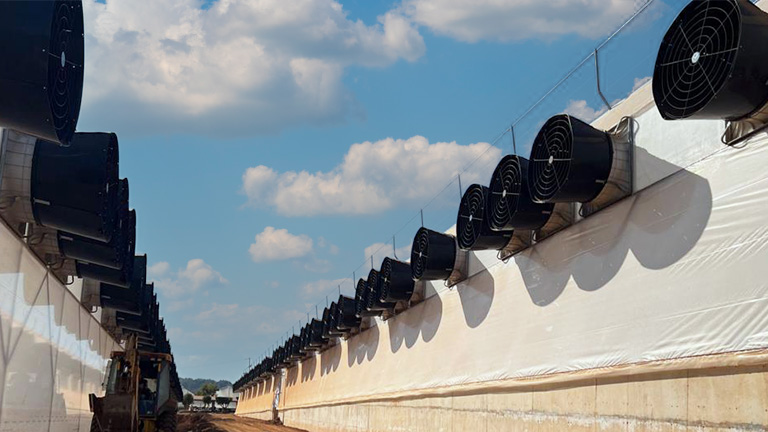
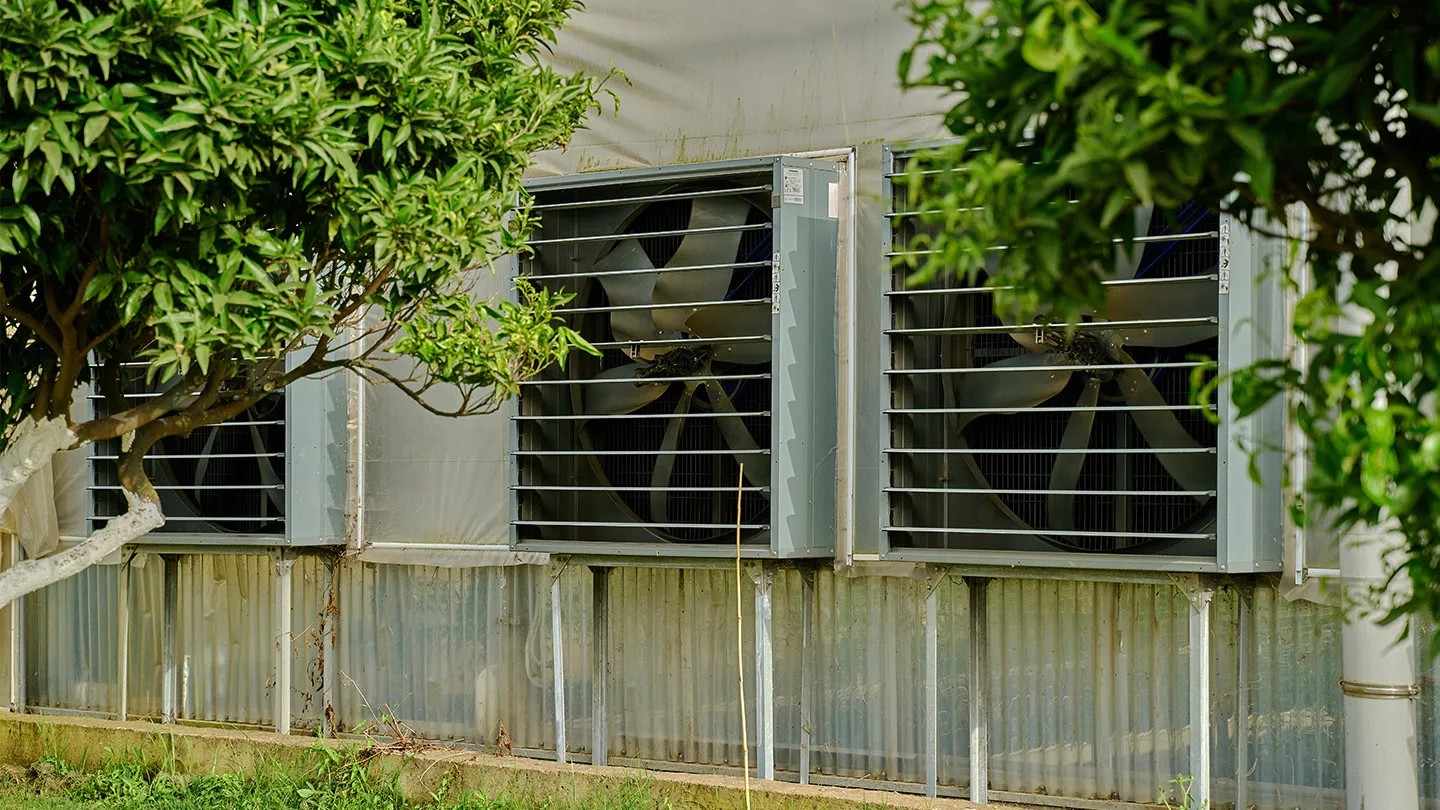
Broiler production systems around the world demand ventilation solutions that are both flexible and reliable. However, while flexibility is important, operational costs should remain predictable and under control. Farmers want performance and cost-efficiency from their ventilation systems.o reduces the need for medicine by up to 40%, leading to healthier birds and lower costs.
Climate control requirements in broiler houses
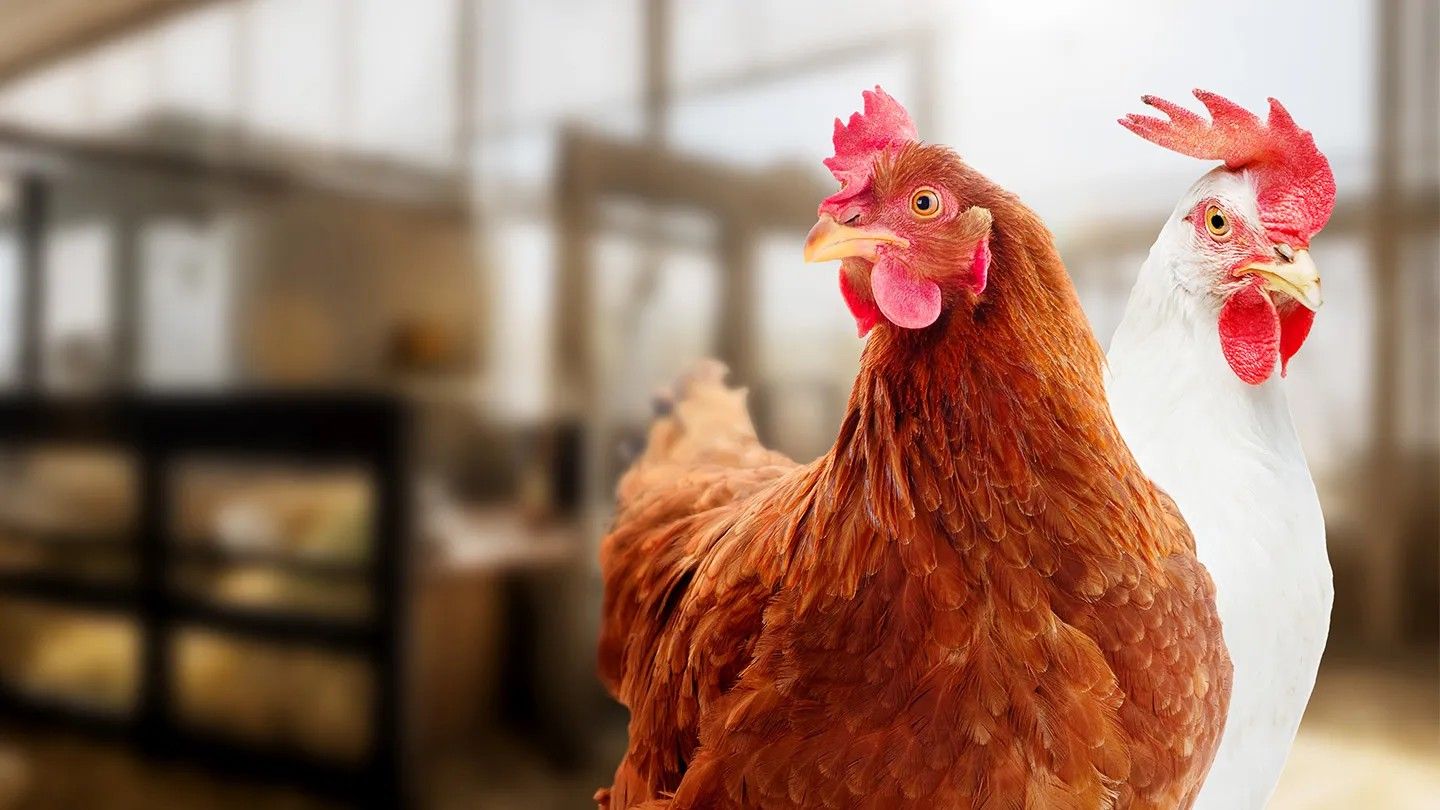
Most broilers today are floor-raised in large, climate-controlled structures. Ventilation systems must handle:
- Sudden cold spells requiring heating
- Power outages with emergency openings
- Temperature and humidity variations as birds grow from day-old chicks to fully grown birds
Proper ventilation also reduces the need for medicine by up to 40%, leading to healthier birds and lower costs.
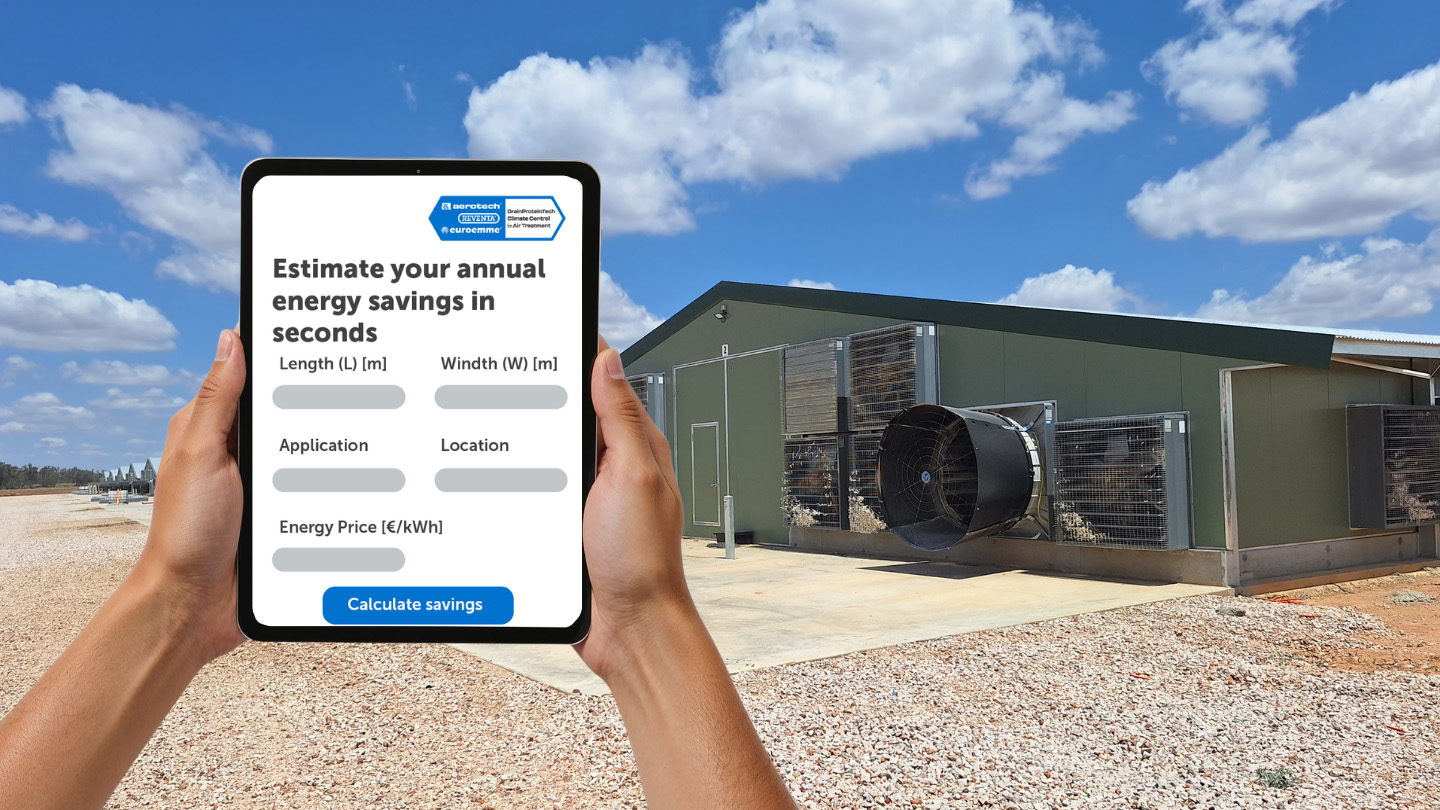
Energy efficiency and total cost of ownership
Choosing an energy-efficient climate control system with a low Total Cost of Ownership (TOC) is essential for profitability. Farmers want solutions tailored to their production systems, building size, and local climate conditions.
Design considerations for broiler ventilation systems
When designing ventilation systems, factors to consider include:
- Accurate control systems responding to real-time changes
- Building structure and layout
- Local climate conditions (temperature, humidity, winds)
- Pre-set temperature curves for bird growth cycles
Challenge 1: achieving uniformity
Uniformity in temperature and air quality is critical to avoid cold or warm spots in the broiler house. Uneven conditions cause birds to cluster, leading to stress and behavioral problems.
- Proper placement of inlets and exhausts ensures even airflow
- Horizontal and radial air spread prevents cold drafts on the birds
- Correct distance between inlets optimizes air distribution
Success is visible when birds are evenly spread throughout the house.
Challange 2: bedding quality and ammonia control
Dry bedding prevents foot lesions and reduces ammonia levels in the house.
- Compliance with environmental regulations allows production expansion
- Sufficient airflow and controlled heating keep bedding dry
- Ammonia scrubbers and mist eliminators reduce emissions by up to 89%
Challenge 3: heat waves and hot weather
Sudden heat waves can devastate production, causing higher mortality. Humidity control is equally important for growth and animal welfareOptimal temperature range: 34°C down to 18°C depending on bird age and breed
Challenge 4: light control
Adequate light management ensures birds get proper rest for healthy growth.
- Light filters prevent daylight from entering through ventilation openings
- Drip pans and deflector disks help eliminate light spots
- Proper light-dark cycles improve animal welfare and performance
Stable climate and profitable production
In today’s competitive broiler industry, stable climate conditions, energy efficiency, and reliable systems are essential to secure profitability and protect the farmer’s investment.